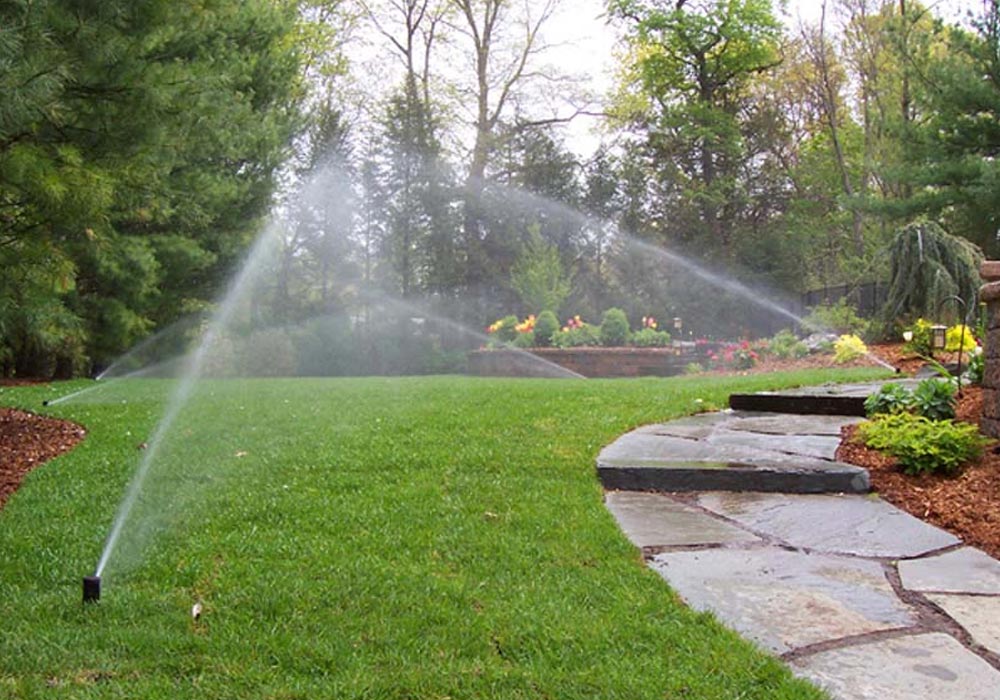
Grass installation on the Mornington Peninsula can give a tired, patchy or badly damaged lawn a fresh start, but how do you know when replacement is better than repair? A few brown or bare patches don’t necessarily mean the entire lawn needs replacing. Problems with watering, soil condition, shade or lawn care can sometimes be corrected.
When damage is widespread or continually returns, professional lawn laying may provide a more consistent, long-term result. The first step is understanding why your existing lawn is struggling.
Signs your lawn may be beyond repair
Look at the lawn as a whole. If most of the grass is healthy and there are only a handful of problem areas, targeted repairs may be enough.
Replacement becomes worth considering when large sections are bare, heavily weeded, uneven or contain a mixture of grasses following years of patch repairs. Compacted soil, poor drainage and unsuitable grass varieties can also cause recurring problems.
New grass installation on the Mornington Peninsula provides an opportunity to correct these underlying conditions before laying fresh turf.
When weeds have taken over
A few weeds are normal. However, when weeds dominate large areas and healthy turf has become sparse, repeatedly treating individual weeds may not address the underlying problem.
Removing the deteriorated lawn allows the ground to be properly prepared before grass laying begins. Addressing soil, drainage and other site conditions at this stage gives the new turf a better foundation for healthy growth.
Persistent bare and thinning areas
Bare patches can result from heavy foot traffic, pets, shade, poor soil, drainage issues or inadequate irrigation. Before replacing the lawn, it is important to identify the cause.
A grass variety that thrives in an open, sunny backyard may struggle in heavy shade. Likewise, laying new turf over compacted or poorly draining soil can result in the same problems returning.
Professional grass installation on the Mornington Peninsula should therefore begin with an assessment of the site, followed by selecting turf suited to the conditions.
Choosing the right grass for your property
Not every grass variety suits every garden. Sunlight, foot traffic, soil conditions, irrigation and maintenance requirements should all influence your choice.
Buffalo grasses are popular for their hardiness and ability to tolerate some shade and regular use. Couch performs well in sunny areas and can recover from wear through its spreading growth habit. Kikuyu is another vigorous warm-season grass often considered for sunny, high-traffic lawns.
The right choice for grass installation on the Mornington Peninsula depends on your individual property. A landscaper can assess sunlight, how the lawn will be used and its relationship with garden beds, paving and outdoor living areas before recommending a suitable turf.
When is the best time for lawn laying?
Timing can influence how quickly new turf establishes. Warm-season grasses such as buffalo, couch and kikuyu grow most actively when soil conditions are warmer, making spring and the warmer months suitable for grass laying when adequate water is available.
Mornington’s long-term climate data shows average maximum temperatures of approximately 25°C in January and February, compared with around 13°C in June and July. Average annual rainfall is approximately 737 mm, with around 75 mm in June and 77 mm in August, compared with approximately 42 mm in January and 46 mm in February.
These seasonal differences are worth considering when planning grass installation on the Mornington Peninsula. Spring and early autumn can offer a useful balance between active turf growth and milder conditions. Summer installation is also possible, but new turf may require more frequent watering during hot or dry weather.
Regardless of the season, newly laid turf needs consistent moisture while its roots establish.
Why ground preparation matters
Successful lawn installation starts below the grass. Removing the old lawn provides an opportunity to assess levels, soil condition, drainage and irrigation before installing new turf.
Depending on the site, preparation may involve removing existing vegetation, correcting levels, improving the soil and preparing a suitable turf underlay. Fresh turf should then be laid promptly and thoroughly watered after installation.
Good preparation is an important part of professional grass installation on the Mornington Peninsula because it gives the new lawn the conditions it needs to establish successfully.
Should you repair or replace your lawn?
Repair usually makes sense when most of the lawn remains healthy and problems are confined to a few areas. Replacement may be more practical when weeds, bare patches, unsuitable grass, uneven levels or recurring problems affect much of the lawn.
Complete grass laying can also provide a more uniform colour and texture than years of individual repairs. When incorporated into a broader landscaping project, a new lawn can help connect garden beds, paving and outdoor entertaining areas.
Planning grass installation on the Mornington Peninsula
Before replacing your lawn, consider why the existing grass has deteriorated, how much sunlight the area receives, drainage and irrigation, how the space will be used and which turf variety suits those conditions.
Luke Bullock Landscape Construction provides grass installation on the Mornington Peninsula as part of complete residential landscaping projects, including site preparation, lawn laying, garden installation and irrigation.
If your existing lawn is struggling and you’re unsure whether to repair or replace it, contact Luke Bullock Landscape Construction to discuss the best approach for your property.